


Contact us

- Contact number:0755-2708-8292
- Mobile Number:18938693455(Helen Yu)
- Enterprise Email:yw11@zldsmt.com
- Shenzhen Factory (Headquarters):Building A3, Huafa Industrial Park, Fuyong Street, Fuyuan Road, Baoan District, Shenzhen
- Nantong Factory Address:No.268 Jinchuan Road, Nantong Hi-tech Industrial Development Zone, Tongzhou District, Nantong City, Jiangsu Province
- Kunshan Factory Address:No.1318, Shuixiu Road, North Private Industrial Park, Yushan Town, Kunshan City, Jiangsu Province
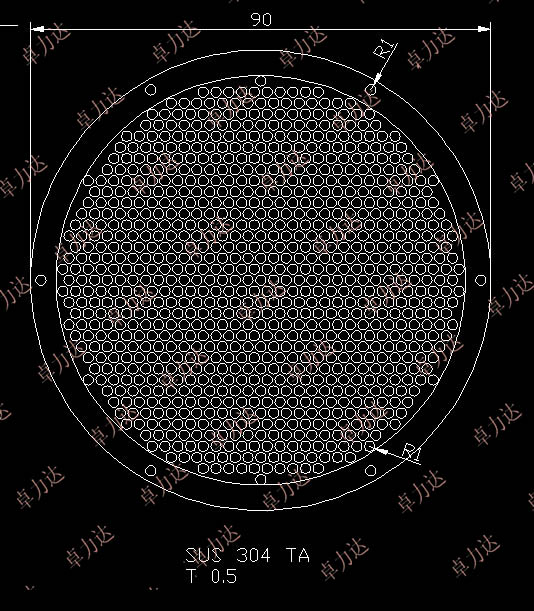
Headphone Microhole Etching
- 1. Wireless Headphones: For sound transmission in TWS and over-ear wireless headphones. 2. Wired Headphones: For acoustic tuning in professional and consumer wired headsets. 3. Gaming Headphones: For noise reduction and clear sound output in gaming h
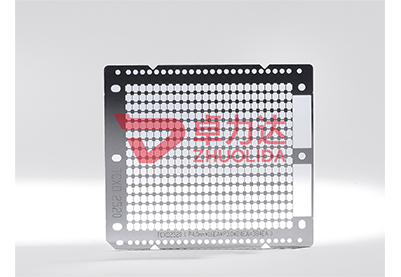
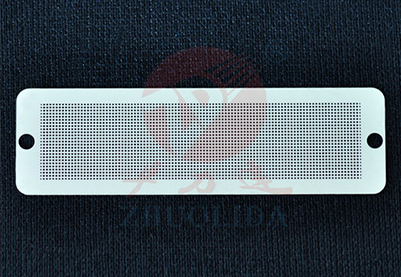
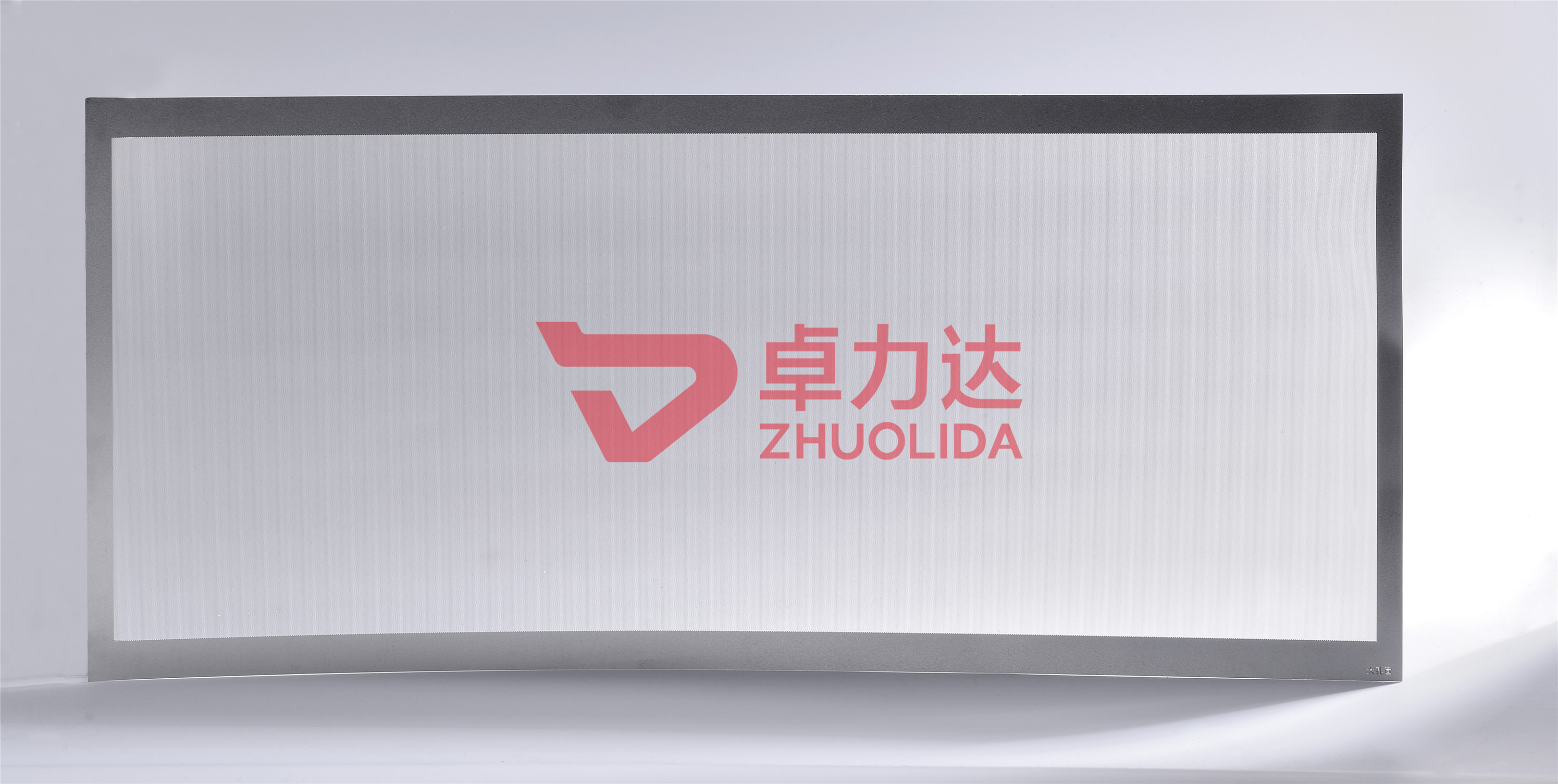
Headphone Microhole Etching adopts advanced photochemical etching technology, tailored to the core requirements of headphone microholes—acoustic optimization, ultra-precision size control, and aesthetic integration. This process integrates micro-level precision, acoustic performance, and batch consistency, making it the optimal manufacturing method for high-performance headphone microholes used in wireless, wired, and gaming headphone fields.
Second, the etching process ensures excellent acoustic compatibility and surface quality. The microholes are etched on headphone casings, grilles, or speaker covers (made of stainless steel, aluminum, or PC), and the etching process does not alter the material’s acoustic properties. The smooth, burr-free surface (Ra ≤ 0.12μm) prevents sound distortion and avoids discomfort when in contact with the skin, while the uniform microhole array enhances air circulation, reducing sound resonance and improving audio fidelity.
Third, the etching process offers strong batch stability and design flexibility. The automated etching system precisely controls etchant concentration, temperature, and processing time, ensuring consistent microhole size, distribution, and quality across every headphone component in a production run, with a yield of over 99.7%. It supports etching of various microhole patterns—including circular arrays, honeycomb shapes, and custom designs—tailored to different headphone styles and acoustic requirements.
Show picture
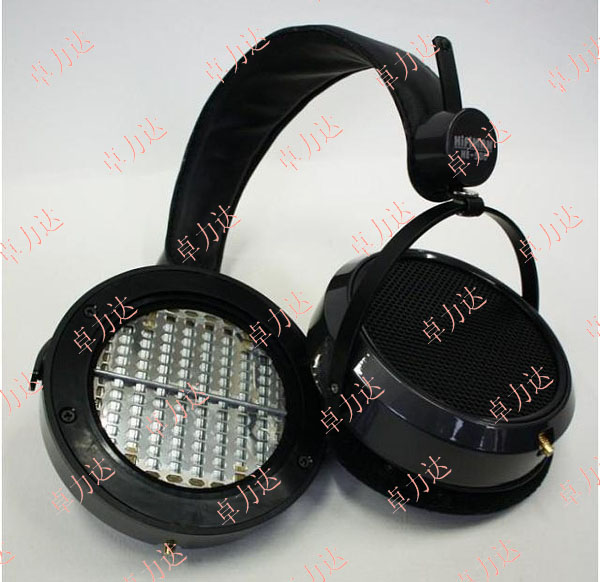
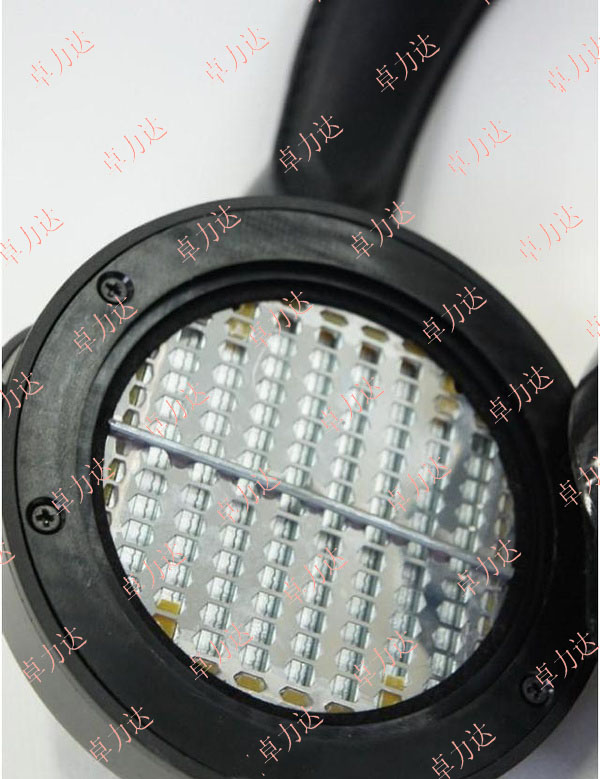
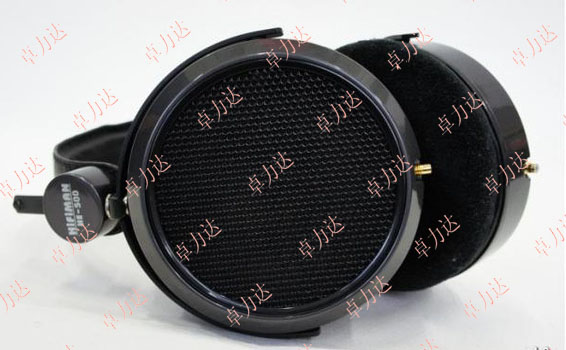
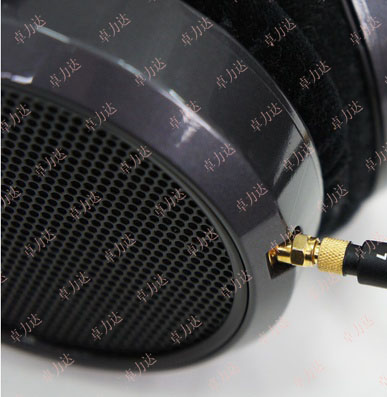
Headphone Microhole Etching via photochemical etching has distinct advantages over traditional mechanical drilling, laser cutting, and stamping processes, especially for optimizing acoustic performance and precision of headphone microholes. Its application fields cover wireless headphones, wired headphones, and gaming headphones—industries that demand high-quality audio and user experience—with broad market prospects driven by the growth of the audio industry and consumer demand for premium headphones.
In terms of etching advantages, first, it solves the core challenge of balancing acoustic performance and precision. Unlike mechanical drilling, which often causes uneven hole sizes, burrs, and irregular distribution that lead to sound distortion and poor noise reduction, etching achieves uniform, smooth microholes that ensure consistent sound transmission and optimal acoustic tuning. Laser cutting, by contrast, generates heat that can melt hole edges and damage the material’s surface, affecting both audio quality and aesthetics, issues that etching completely avoids.
Second, it offers superior aesthetic integration and cost efficiency. The etching process can create intricate, uniform microhole patterns that enhance the headphone’s visual appeal, matching the sleek design of modern headphones. It eliminates the need for expensive drilling tools and molds, reducing initial investment by more than 80%. For large-volume production, the automated line improves efficiency and reduces labor costs, while the closed-loop etchant system minimizes waste and operational costs, making it suitable for both premium and mid-range headphone models.
Third, it has strong flexibility and material adaptability. The process can be customized to adjust microhole size, density, and pattern according to specific acoustic needs—whether for bass enhancement in wireless headphones, noise isolation in gaming headsets, or clear treble in professional wired headphones. It supports various materials used in headphone components, maintaining their inherent properties while achieving precise microhole etching, expanding its application scope to different headphone types.
In terms of industry applications, the first major field is wireless headphones, where etched microholes are used in TWS earbuds and over-ear wireless headsets—relying on their uniform size and distribution to ensure clear sound output, noise reduction, and air pressure balance. The second field is wired headphones, where they serve as acoustic grilles in professional studio headsets and consumer earphones, leveraging their precision to deliver high-fidelity audio.

 Online Inquiry
 Phone Contact