


Contact us

- Contact number:0755-2708-8292
- Mobile Number:18938693455(Helen Yu)
- Enterprise Email:yw11@zldsmt.com
- Shenzhen Factory (Headquarters):Building A3, Huafa Industrial Park, Fuyong Street, Fuyuan Road, Baoan District, Shenzhen
- Nantong Factory Address:No.268 Jinchuan Road, Nantong Hi-tech Industrial Development Zone, Tongzhou District, Nantong City, Jiangsu Province
- Kunshan Factory Address:No.1318, Shuixiu Road, North Private Industrial Park, Yushan Town, Kunshan City, Jiangsu Province
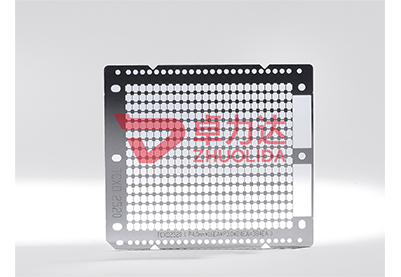
Stainless Steel Grid Mesh Processing
- Filtration & Separation,Electromagnetic Shielding,Architectural Decoration
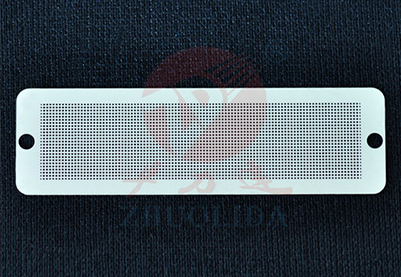
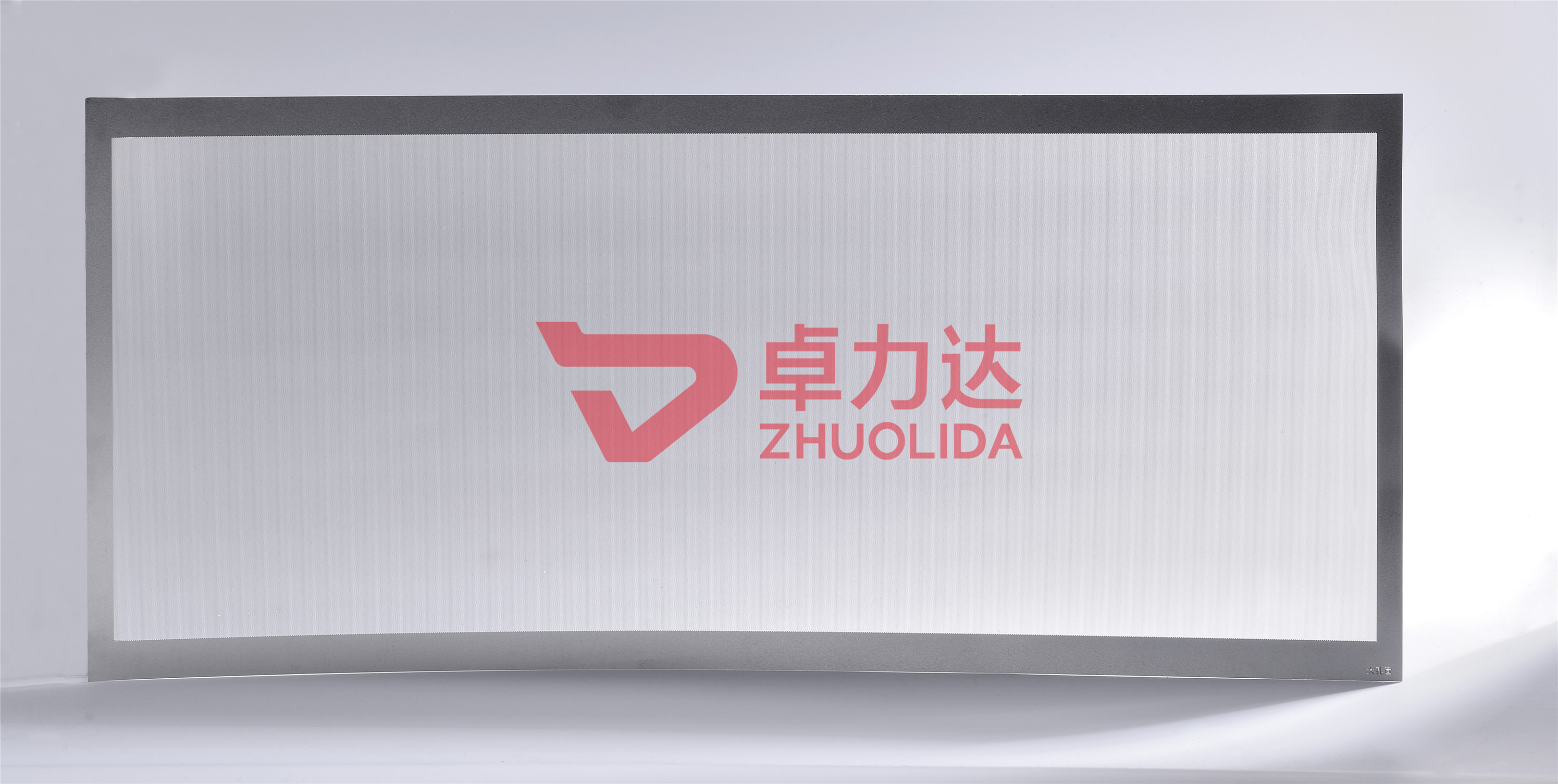
Stainless Steel Grid Mesh Processing is defined by the precision and versatility of photochemical etching, a manufacturing process ideal for producing complex grid structures in stainless steel alloys. This method transcends traditional machining by delivering micro-level accuracy with exceptional consistency across both small and large batch productions. At its core, the process leverages light-sensitive polymers and controlled chemical reaction to dissolve targeted material areas, resulting in a finished product that surpasses mechanical alternatives in both quality and detail.
First and foremost, the etching process achieves unparalleled dimensional precision, a critical factor for grid mesh applications. The technology supports tolerances as tight as ±0.005mm, with aperture sizes controllable from 0.01mm to 2.0mm. Unlike stamping or laser cutting, chemical etching is a non-contact process that eliminates mechanical stress, burrs, and heat-affected zones. This ensures that the stainless steel's inherent properties, such as its corrosion resistance and magnetic performance, remain completely intact. The structural integrity of the grid is preserved, with no warping or deformation, even in ultra-thin materials down to 0.02mm.
Secondly, the etched grid mesh exhibits superior surface quality and structural uniformity. The process produces razor-sharp edges and a smooth, consistent surface finish (Ra ≤ 0.2μm). This level of smoothness is vital for applications like high-flow filtration, where rough edges can cause clogging, and electromagnetic shielding, where surface irregularities can disrupt signal integrity. The automated etching system ensures that every unit in a production run is identical, with zero variation in hole size, shape, and spacing. This level of consistency is nearly impossible to achieve with manual or mechanical methods.
Thirdly, the process offers exceptional design flexibility and material compatibility. Photochemical etching is not limited to simple square or rectangular grids. It can effortlessly produce complex patterns including circular holes, slotted arrays, hexagonal patterns, and custom logos. The process is compatible with a wide range of stainless steel grades, including 304, 316L, 17-4 PH, and 430, as well as other metals like nickel and titanium. There is no need for expensive, time-consuming custom molds; design changes are simply implemented by updating the photomask, significantly reducing lead times for prototyping and design iterations.
In terms of core advantages, etching stands out for its non-contact, stress-free nature. When compared to stamping, which can cause metal fatigue, burrs, and edge rounding, etching produces clean, stress-free edges that maintain the stainless steel's material properties. This is crucial for components requiring precise fluid dynamics, like filter mesh, or consistent electrical performance, like shielding grids. Laser cutting, on the other hand, often introduces heat-affected zones (HAZ) and micro-cracks, particularly in thin gauges, which can compromise corrosion resistance and structural strength. Etching completely avoids these thermal effects.
A second major advantage is design freedom and cost efficiency. The etching process can create features and patterns that are mechanically challenging or impossible to produce. For example, it can generate micro-perforations with aspect ratios (depth to width) that exceed what is feasible with drilling. Additionally, since no hard tooling is required, design modifications are rapid and affordable. This makes etching ideal for product development and customization, allowing engineers to iterate designs quickly without the financial risk of tooling changes. For high-volume production, the automated etching lines deliver consistent yields exceeding 99.5%, ensuring predictable, high-quality output.
The industry applications for etched stainless steel grid mesh are vast and continue to grow. In the filtration and separation sector, the mesh is used in the chemical, pharmaceutical, and food & beverage industries for fine filtration, sieving, and particle separation. Its smooth, burr-free surface prevents particle adhesion and clogging, ensuring long service life and low maintenance. In electronics and electromagnetic compatibility (EMC), the grid serves as an essential component in EMI/RFI shielding gaskets, window screens, and ventilation panels. Its precise aperture size and conductivity make it indispensable for protecting sensitive electronic equipment from interference.

 Online Inquiry
 Phone Contact