


Contact us

- Contact number:0755-2708-8292
- Mobile Number:18938693455(Helen Yu)
- Enterprise Email:yw11@zldsmt.com
- Shenzhen Factory (Headquarters):Building A3, Huafa Industrial Park, Fuyong Street, Fuyuan Road, Baoan District, Shenzhen
- Nantong Factory Address:No.268 Jinchuan Road, Nantong Hi-tech Industrial Development Zone, Tongzhou District, Nantong City, Jiangsu Province
- Kunshan Factory Address:No.1318, Shuixiu Road, North Private Industrial Park, Yushan Town, Kunshan City, Jiangsu Province

Stainless steel dust screen etching
- Air Conditioning Systems
- Consumer Electronics
- Industrial Equipment
- Medical & Laboratory Equipment
- Automotive Components
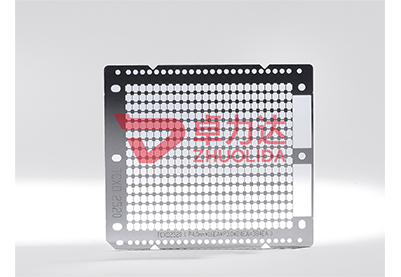
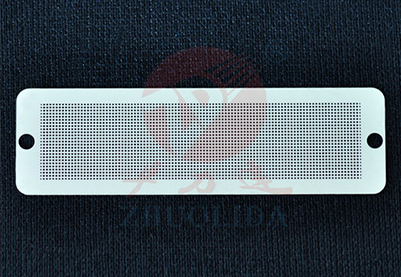
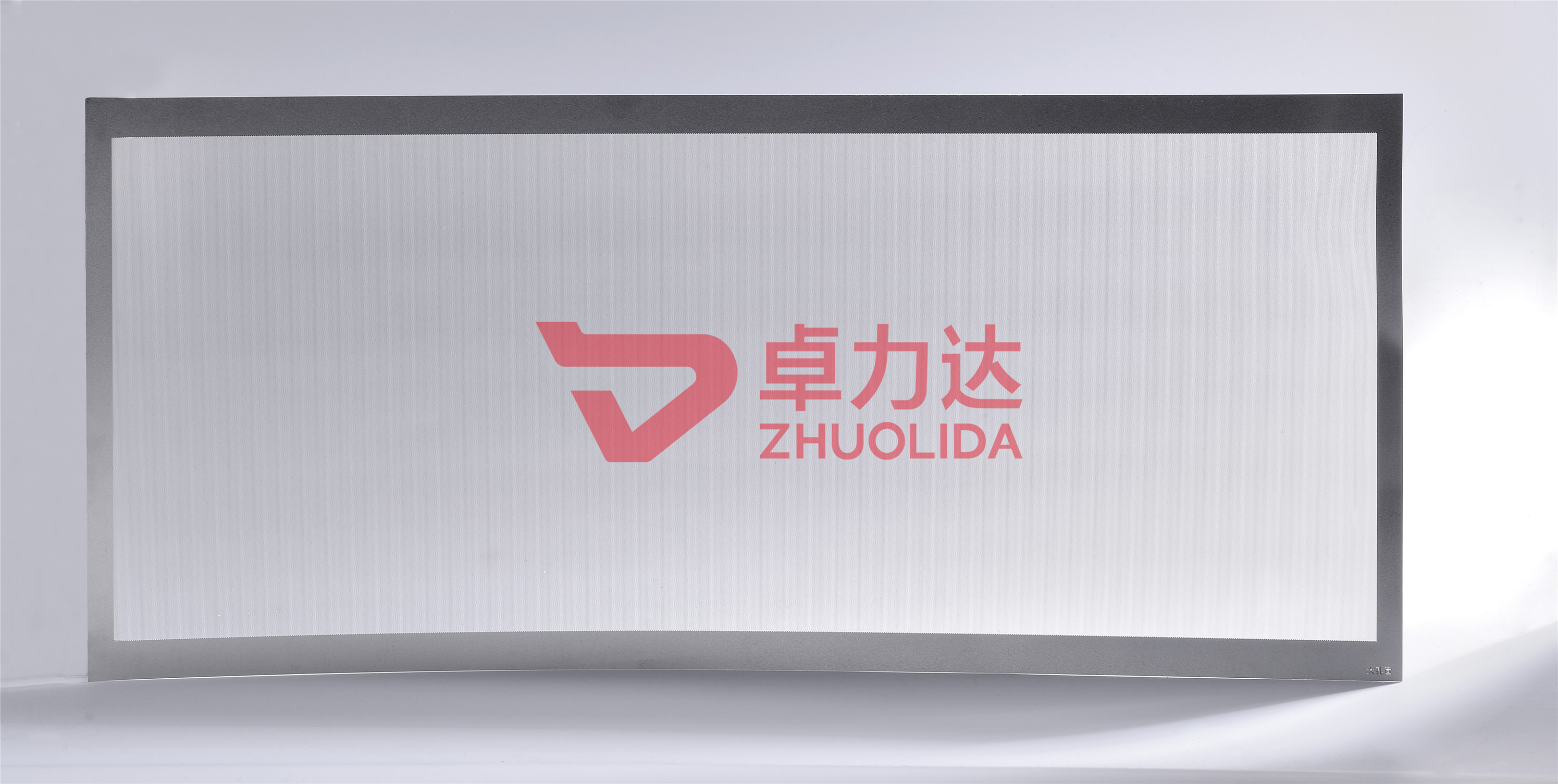
Stainless Steel Dust Screen Etching adopts state-of-the-art photochemical etching technology, a non-contact cold processing method that optimizes the performance of stainless steel dust screens through precise, selective chemical corrosion. Unlike traditional punching or laser cutting, this technology maximizes the intrinsic advantages of 304/316L stainless steel—corrosion resistance, durability and structural strength—while creating uniform micro-pores, resulting in dust screens with unmatched precision, reliability and adaptability for diverse industrial and consumer applications.
The core advantage of stainless steel dust screen etching is its micron-level precision combined with stainless steel’s inherent durability. Etching technology achieves exceptional dimensional control, with pore size error strictly controlled within ±0.001mm, pore spacing uniformity above 99.9% and pore roundness up to 99.8%. This precision ensures uniform micro-pores (50-100μm) that effectively block dust, hair and fine debris while maintaining optimal air or light transmittance. When paired with 304/316L stainless steel, the etched dust screens gain superior corrosion and rust resistance, making them suitable for high-moisture or harsh environments where ordinary dust screens fail.
Furthermore, etching ensures superior material integrity and long-term stability. As a cold processing method, it avoids the thermal damage, burrs and pore deformation associated with laser cutting or punching—defects that can weaken stainless steel’s structure, collect dust or reduce service life. Chemical etching preserves the stainless steel’s original composition and properties, eliminating surface scratches and microcracks that could lead to corrosion. The resulting dust screens have smooth, burr-free surfaces that resist dust adhesion, are easy to clean and can withstand frequent use and cleaning without deformation or damage.
Show picture


Stainless Steel Dust Screen Etching offers distinct competitive advantages over traditional manufacturing methods such as punching, laser cutting and weaving, especially when paired with high-grade stainless steel. These advantages make etched stainless steel dust screens the preferred choice for global manufacturers across electronics, industrial, medical and automotive sectors, where durability, precision and corrosion resistance are critical for product quality and market competitiveness.
The primary advantage of stainless steel dust screen etching is its ability to combine stainless steel’s durability with etched precision at scale. Punching often causes uneven pore sizes, burrs and structural weakening in stainless steel, leading to poor dustproof performance and premature failure. Laser cutting creates heat-affected zones that reduce stainless steel’s corrosion resistance, making it vulnerable to rust in moist environments. In contrast, chemical etching produces stainless steel dust screens with uniform micro-pores, smooth edges and intact material properties, ensuring effective dust protection, optimal transmittance and long service life—critical for AC systems, industrial equipment and medical devices.
Another key benefit is cost-effectiveness and production efficiency. Stainless steel dust screen etching eliminates the need for expensive custom punching dies or multiple post-processing steps (such as deburring, polishing and anti-corrosion treatment), which are required for traditional methods. The non-contact process reduces tool wear and maintenance costs, while the panel-based production line enables high-volume manufacturing of consistent, high-quality dust screens. For manufacturers, this translates to lower production costs, shorter lead times and higher yield rates, making etched stainless steel dust screens a more economical and reliable solution.

 Online Inquiry
 Phone Contact