


Contact us

- Contact number:0755-2708-8292
- Mobile Number:18938693455(Helen Yu)
- Enterprise Email:yw11@zldsmt.com
- Shenzhen Factory (Headquarters):Building A3, Huafa Industrial Park, Fuyong Street, Fuyuan Road, Baoan District, Shenzhen
- Nantong Factory Address:No.268 Jinchuan Road, Nantong Hi-tech Industrial Development Zone, Tongzhou District, Nantong City, Jiangsu Province
- Kunshan Factory Address:No.1318, Shuixiu Road, North Private Industrial Park, Yushan Town, Kunshan City, Jiangsu Province
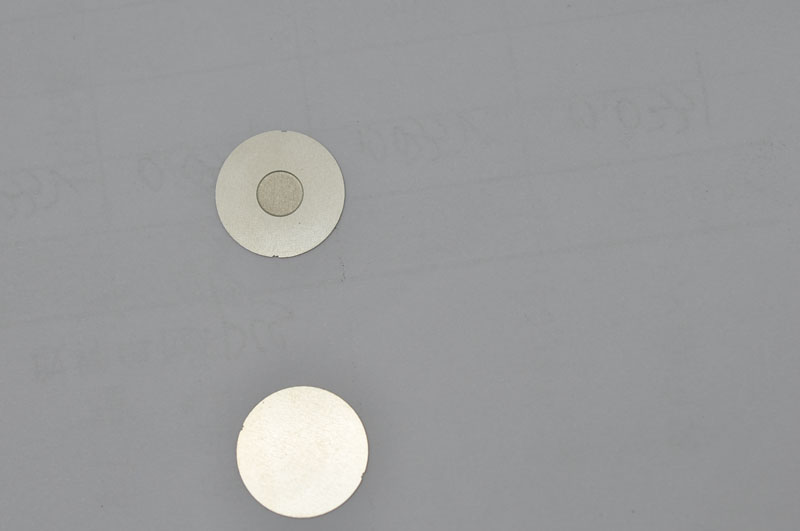
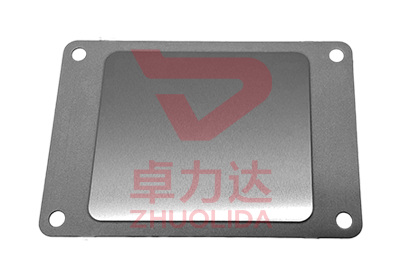
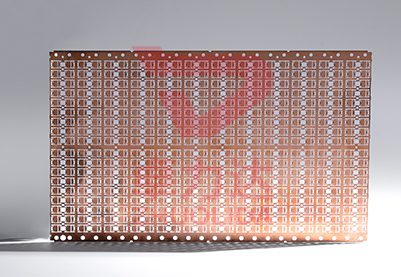
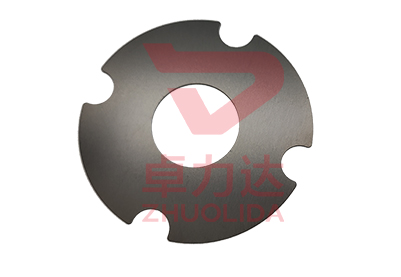
Medical Nebulizer Tablets
- Respiratory Therapy: For delivering medication to treat asthma
- COPD
- and cystic fibrosis in patients of all ages. Pediatric Care: For infants and children with respiratory conditions
- providing a gentle and effective inhalation treatment. Critical C
First, the etching process achieves ultra-high precision in mesh aperture formation, a defining characteristic of high-performance nebulizer tablets. The etching tolerance can reach ±0.001mm, with aperture sizes precisely controllable at the micro-level (typically 1-5 micrometers). Unlike mechanical drilling or laser drilling, chemical etching is a non-contact, cold process that avoids thermal damage, burrs, and tapering of the mesh holes. This ensures each aperture is perfectly round, smooth-walled, and uniformly sized, guaranteeing consistent particle size distribution and nebulization efficiency across every tablet in a production run.
Second, the etching process ensures excellent structural integrity and material biocompatibility. Medical Nebulizer Tablets are typically fabricated from medical-grade stainless steel (316L) or titanium alloys. The etching process does not alter the material’s inherent properties, maintaining its high strength, corrosion resistance, and biocompatibility. The smooth, burr-free mesh surface (Ra ≤ 0.05μm) prevents medication adhesion and residue accumulation, ensuring hygiene and reducing the risk of bacterial growth. This is critical for medical devices that come into direct contact with patients’ respiratory tracts.
Third, the etching process offers superior batch stability and process flexibility. The automated etching system precisely controls etchant concentration, temperature, and processing time, ensuring uniform mesh quality and dimensional consistency across thousands of tablets, with a yield exceeding 99.7%. It supports the production of various mesh patterns, including single-hole, multi-hole arrays, and custom designs, tailored to the specific nebulization requirements of different medications (e.g., bronchodilators, corticosteroids, or antibiotics) and device models.
Finally, the etching process is efficient, environmentally friendly, and cost-effective for medical component production. The closed-loop recycling system of etchant recovers more than 93% of metal ions, minimizing raw material waste and environmental impact. For small-batch, custom nebulizer tablets, rapid proofing can be completed within 24 hours, significantly shortening the research and development cycle. Compared with traditional mechanical processing, it reduces tool wear and labor costs, making high-precision nebulizer tablets more accessible for medical device manufacturers.
Show picture
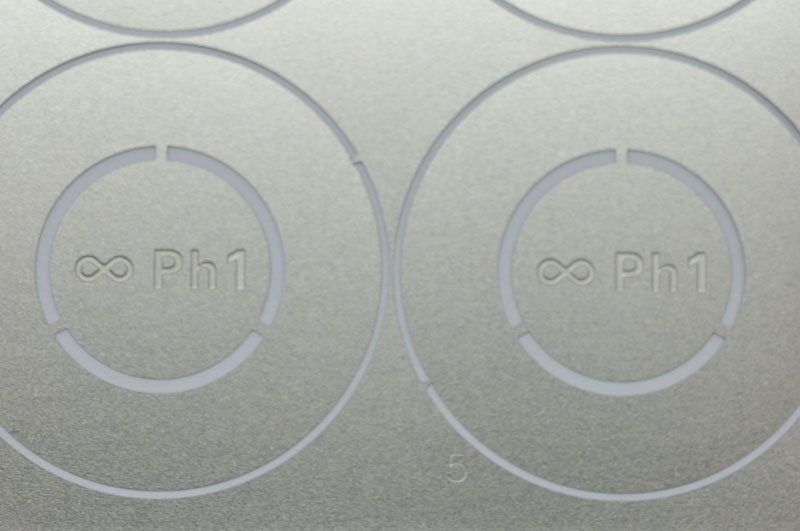
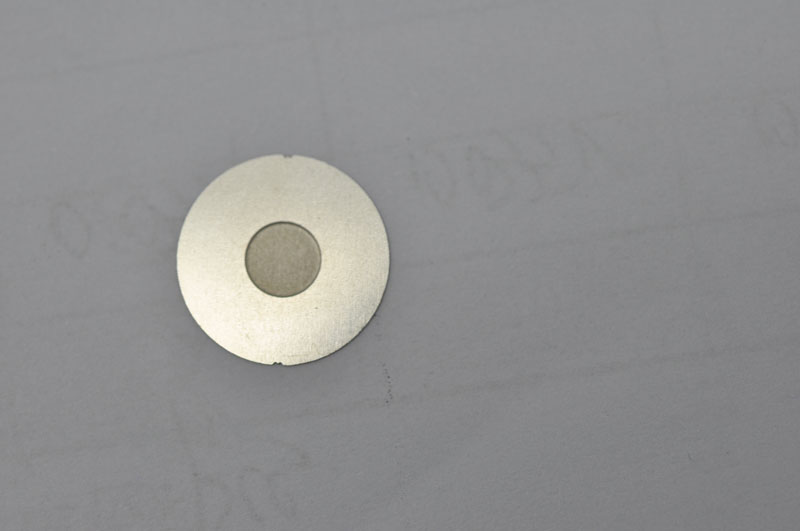
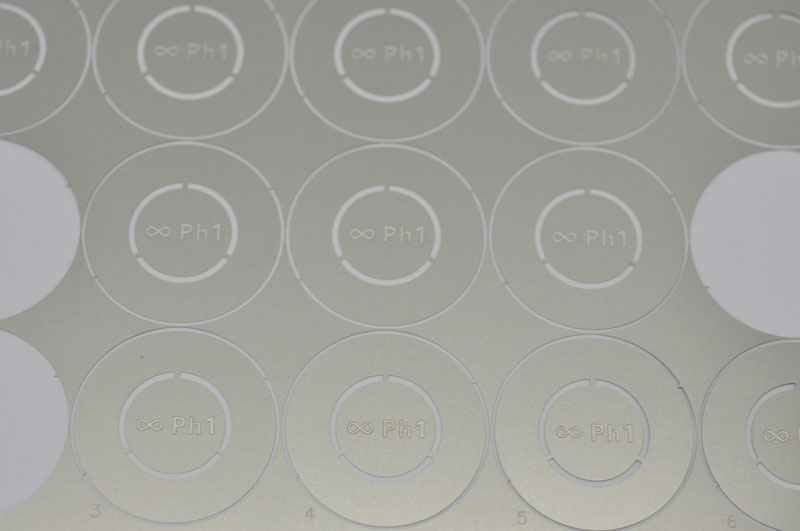
Medical Nebulizer Tablets manufactured via photochemical etching offer distinct advantages over those produced by mechanical punching, laser cutting, and electroforming processes, especially for optimizing nebulization efficiency, particle size uniformity, and long-term reliability. Their application fields cover respiratory therapy, pediatric care, and critical care—industries that demand precise, safe, and effective inhalation delivery systems—with broad market prospects driven by the rising prevalence of respiratory diseases and the trend toward at-home medical care.
In terms of etching advantages, first, it solves the core challenge of producing ultra-fine, uniform mesh apertures that are critical for effective nebulization. Mechanical punching, even with precision tools, often results in burrs, micro-deformations, and inconsistent hole sizes at the micro-level, leading to uneven particle size distribution and reduced drug absorption. Laser cutting, by contrast, generates heat that can melt or alter the mesh structure, affecting long-term durability. Photochemical etching completely avoids these issues, producing perfectly formed, smooth, and uniform micro-apertures that ensure consistent generation of respirable particles (≤5μm), the key to effective respiratory drug delivery.
Second, it offers superior biocompatibility and hygiene performance. The etching process maintains the material’s inherent biocompatibility and creates a smooth, non-porous surface that resists medication adhesion and bacterial colonization. This is especially important for pediatric and critical care applications, where infection control is paramount. Post-processing treatments, such as passivation and sterilization, further enhance the tablet’s safety and reliability, meeting ISO 13485 and FDA medical device standards.
Third, it provides exceptional cost efficiency and production flexibility. Unlike electroforming, which requires expensive molds and has long lead times for custom designs, photochemical etching eliminates the need for hard tooling. Design modifications only require updating the photomask, reducing custom production costs by over 80% and enabling rapid iteration for new medication formulations or device upgrades. For large-scale production, the automated line ensures high efficiency and low per-unit cost, making it suitable for both premium medical devices and cost-effective consumer products.
In terms of industry applications, the first major field is respiratory therapy, where etched Medical Nebulizer Tablets are core components in portable and stationary nebulizers for treating asthma, chronic obstructive pulmonary disease (COPD), and other respiratory disorders. They ensure efficient delivery of bronchodilators and anti-inflammatory drugs, improving patient outcomes and quality of life. The second field is pediatric care, where they are used in baby nebulizers to deliver medication gently to infants and children, reducing the need for invasive administration and improving treatment compliance.
The third field is critical care and hospital settings, where high-performance nebulizer tablets are essential for emergency treatments, such as delivering bronchodilators to patients experiencing acute respiratory distress or antibiotics to those with severe infections. Their reliability and precision make them indispensable in intensive care units and emergency rooms. Additionally, they are used in veterinary medicine for treating animals with respiratory conditions, expanding their application scope. With the global demand for inhalation therapy devices growing, Medical Nebulizer Tablets produced by photochemical etching will remain a critical technology, driving innovation and accessibility in respiratory medicine.
Customer we are doing our best to provide our bestservices to our customers with competitivetech solutions and high quality products,Zhuolida has won wide recognition from ourcustomers in all kinds of industry, andthis have laid a solid foundation for Zhuolida to be an leading brand in etchingindustry in China and a reputablemanufacturer |  |
 | Technology Zhuolida is an etching factory in China with varietiesof process, our company process techniques includechemical etching, laser cutting, EDM, stampingelectroforming, electroplating, electrophoresis. |
Enviroment We have self-built sewage treatment system,the wastewater reuse rate reaches 40% |  |

 Online Inquiry
 Phone Contact