


Contact us

- Contact number:0755-2708-8292
- Mobile Number:18938693455(Helen Yu)
- Enterprise Email:yw11@zldsmt.com
- Shenzhen Factory (Headquarters):Building A3, Huafa Industrial Park, Fuyong Street, Fuyuan Road, Baoan District, Shenzhen
- Nantong Factory Address:No.268 Jinchuan Road, Nantong Hi-tech Industrial Development Zone, Tongzhou District, Nantong City, Jiangsu Province
- Kunshan Factory Address:No.1318, Shuixiu Road, North Private Industrial Park, Yushan Town, Kunshan City, Jiangsu Province
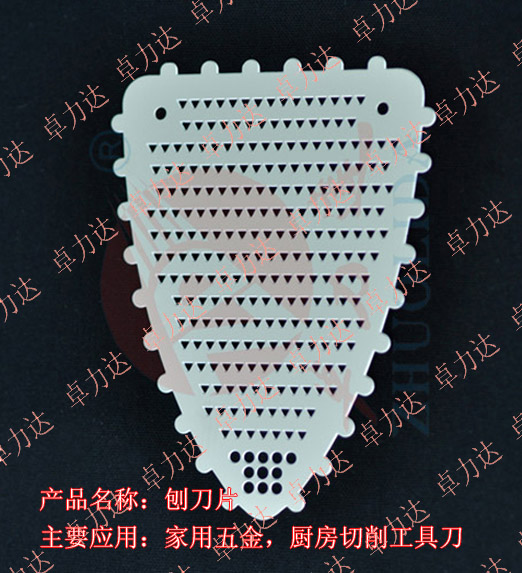
Metal Mesh Plate Processing
- 1. Industrial Filtration: For fluid and gas filtration in industrial production. 2. Architectural Decoration: For decorative mesh panels and ventilation grilles. 3. Electronic Equipment: For shielding and heat dissipation mesh in electronics.
Metal Mesh Plate Processing adopts advanced photochemical etching technology, tailored to the unique requirements of metal mesh plates—uniform mesh distribution, precise aperture control, and adaptability to diverse application scenarios. This process integrates ultra-precision, structural stability, and material integrity, making it the optimal processing method for high-performance metal mesh plates used in industrial, architectural, and electronic fields.
First, the etching process achieves ultra-uniform mesh and aperture precision, critical for metal mesh plate performance. The etching tolerance can reach ±0.004mm, with mesh apertures controllable between 0.05mm and 1.5mm, and mesh density evenly distributed without distortion. Unlike traditional weaving or stamping, chemical etching is a non-contact, cold process that avoids uneven apertures, burrs, and mesh deformation, ensuring consistent filtration, shielding, or decorative effect.
Second, the etching process ensures excellent structural durability and corrosion resistance. The etched metal mesh plates are made of high-grade materials (stainless steel, brass, aluminum), and the etching process does not alter the material’s inherent properties, maintaining its high strength, wear resistance, and corrosion resistance. The smooth, burr-free mesh surface (Ra ≤ 0.18μm) prevents clogging, reduces friction, and extends service life in harsh environments such as industrial workshops or outdoor architecture.
Third, the etching process offers strong batch stability and process flexibility. The automated etching system precisely controls etchant concentration, temperature, and processing time, ensuring consistent mesh size, aperture density, and quality across every mesh plate in a production run, with a yield of over 99.5%. It supports etching of various mesh patterns—including square, hexagonal, and custom shapes—tailored to different application needs, from fine filtration to decorative design.
Show picture
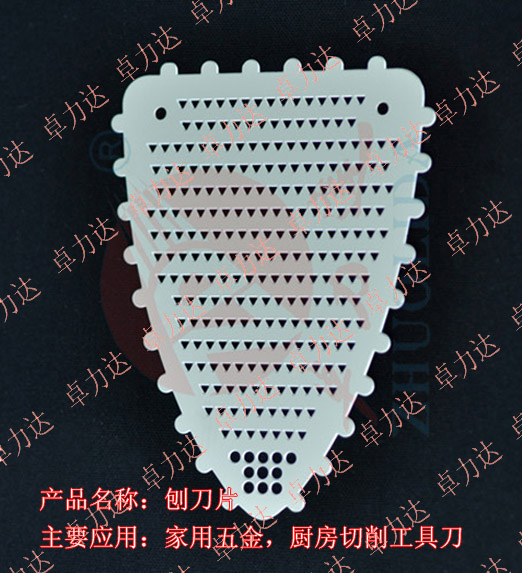
Metal Mesh Plate Processing via photochemical etching has distinct advantages over traditional weaving, stamping, and laser cutting processes, especially for optimizing mesh uniformity and precision of metal mesh plates. Its application fields cover industrial filtration, architectural decoration, and electronic equipment—industries that demand reliable, high-performance mesh solutions—with broad market prospects driven by industrial development, urban construction, and electronic technology advancement.
In terms of etching advantages, first, it solves the core challenge of ensuring mesh uniformity and structural integrity. Unlike woven mesh, which often has uneven apertures and loose structures that affect performance, etching achieves precise, uniform mesh distribution and stable structure, ensuring consistent filtration efficiency, shielding effect, or decorative appearance. Stamping, by contrast, may cause mesh deformation, burrs, and edge damage, which etching completely avoids.
Second, it offers superior precision and cost efficiency. The etching process achieves micro-level aperture control that is difficult to replicate with traditional methods, making it ideal for fine filtration and electronic shielding mesh plates. It eliminates the need for expensive molds required for stamping, reducing initial investment by more than 80%. For large-volume production, the automated line improves efficiency and reduces labor costs, while the closed-loop etchant system minimizes waste and operational costs.
Third, it has strong flexibility and material adaptability. The process can be customized to adjust mesh size, aperture density, pattern, and material according to specific application needs—whether for fine industrial filtration mesh, decorative architectural mesh, or electronic shielding mesh. It also supports post-processing treatments—such as polishing, anti-corrosion coating, and coloring—to further enhance performance and aesthetic appeal, expanding its application scope.
In terms of industry applications, the first major field is industrial filtration, where etched metal mesh plates are used for fluid, gas, and particle filtration in chemical plants, power stations, and food processing facilities—relying on their uniform mesh to ensure efficient filtration and stable production. The second field is architectural decoration, where they serve as decorative mesh panels, ventilation grilles, and facade cladding, adding a modern, high-end touch to buildings.
The third field is electronic equipment, where etched metal mesh plates are used for electromagnetic shielding, heat dissipation, and dust-proof mesh in smartphones, computers, and industrial control equipment—leveraging their precise mesh to ensure signal stability and equipment protection. In addition, they are used in automotive and aerospace fields, providing reliable mesh solutions for filtration and shielding. With the demand for high-precision, durable mesh plates growing, Metal Mesh Plate Processing will remain a critical technology for diverse industries.
Customer we are doing our best to provide our bestservices to our customers with competitivetech solutions and high quality products,Zhuolida has won wide recognition from ourcustomers in all kinds of industry, andthis have laid a solid foundation for Zhuolida to be an leading brand in etchingindustry in China and a reputablemanufacturer |  |
 | Technology Zhuolida is an etching factory in China with varietiesof process, our company process techniques includechemical etching, laser cutting, EDM, stampingelectroforming, electroplating, electrophoresis. |
Enviroment We have self-built sewage treatment system,the wastewater reuse rate reaches 40% |  |

 Online Inquiry
 Phone Contact