


Contact us

- Contact number:0755-2708-8292
- Mobile Number:18938693455(Helen Yu)
- Enterprise Email:yw11@zldsmt.com
- Shenzhen Factory (Headquarters):Building A3, Huafa Industrial Park, Fuyong Street, Fuyuan Road, Baoan District, Shenzhen
- Nantong Factory Address:No.268 Jinchuan Road, Nantong Hi-tech Industrial Development Zone, Tongzhou District, Nantong City, Jiangsu Province
- Kunshan Factory Address:No.1318, Shuixiu Road, North Private Industrial Park, Yushan Town, Kunshan City, Jiangsu Province
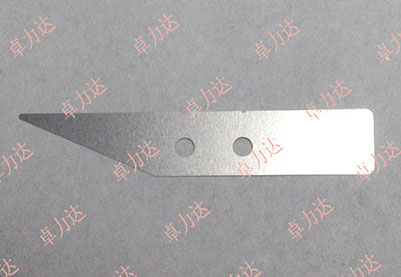
Medical surgical blade Processing
- 1. General Surgery: For precise tissue cutting in routine surgeries. 2. Dermatology: For skin biopsies and cosmetic excisions. 3. Veterinary Surgery: For animal surgical incisions and tissue sampling.
Medical surgical blade Processing relies on professional photochemical etching technology, which is the core processing method for high-quality medical surgical blades. It integrates ultra-precision, sterility and biocompatibility, perfectly meeting the strict requirements of medical instruments that directly contact human and animal tissue. As a key surgical tool, medical surgical blades require razor-sharp edges, smooth surfaces and stable structure, all of which are effectively achieved by the etching process.
First, the etching process achieves unparalleled edge sharpness and precision, which is crucial for surgical effects. The edge thickness can be controlled as thin as 0.01mm, with a cutting edge radius in microns, far exceeding traditional grinding or stamping processes. Unlike mechanical processing, chemical etching is a cold, non-contact process that avoids heat-affected zones and micro-chipping, creating a clean, seamless edge that minimizes tissue damage and reduces post-operative healing time. The dimensional tolerance is strictly controlled at ±0.005mm, ensuring consistent performance of each blade.
Second, the etching process ensures superior surface quality and biocompatibility. The etched blade surface is smooth and burr-free, with a roughness Ra≤0.05μm, which avoids bacterial adhesion and tissue irritation, effectively reducing the risk of infection. The process does not alter the inherent properties of medical-grade materials (such as 316L stainless steel) or leave toxic residues, maintaining excellent corrosion resistance and sterilizability, which is essential for instruments that need repeated autoclaving.
Third, the etching process has strong batch stability and structural uniformity. The automated production line realizes continuous batch processing, with a product yield of over 99.6%, ensuring consistent edge sharpness, thickness and weight of each blade. It can precisely control the blade’s taper, spine geometry and edge angle, optimizing the balance between flexibility and rigidity, making the blade easy to operate and not easy to break during surgery. This consistency is vital for medical staff to rely on instrument performance during critical procedures.
Medical surgical blade Processing via photochemical etching has obvious advantages over traditional grinding, stamping and laser cutting processes, and its application fields cover multiple medical and veterinary fields. It plays a key role in improving surgical safety and efficiency, with broad market demand driven by the development of medical technology and the pursuit of minimally invasive surgery.
In terms of etching advantages, first of all, it has outstanding clinical performance advantages. Compared with laser cutting which causes thermal damage to the blade edge, etching produces a cold-processed edge that avoids tissue sticking and infection risks. Unlike stamping which leaves micro-burrs, the etched blade has a smooth edge that reduces cutting resistance, allowing surgeons to operate more smoothly, minimize tissue trauma and improve patient recovery outcomes.
Secondly, it has strong design flexibility and material compatibility. The etching process can produce custom blade geometries, including micro-serrations, special angles and tapered edges, to adapt to different surgical needs (such as laparoscopic surgery and delicate dermatological procedures). It is compatible with various medical-grade metals, including 316L stainless steel, titanium and cobalt-chromium alloys, allowing material selection based on surgical scenarios to optimize strength and biocompatibility.
Thirdly, it has cost and efficiency advantages. The etching process eliminates the need for expensive molds required for stamping, reducing initial investment by more than 80%. The automated production line improves production efficiency and reduces labor costs, while the closed-loop etching solution system reduces raw material waste and environmental treatment costs. For small-batch specialized blades, it shortens the production cycle and helps medical institutions quickly obtain customized tools.
In terms of industry applications, the first major field is general surgery, which is used for tissue cutting, dissection and hemostasis in routine surgeries, providing reliable tools for abdominal, thoracic and orthopedic surgeries. The second field is dermatology, which is suitable for skin biopsies, mole removal and cosmetic excisions, where precise, atraumatic incisions are critical for cosmetic results and recovery.

 Online Inquiry
 Phone Contact